Wednesday, January 20, 2016

LAD #28

Woodrow Wilson's First Inaugural Address:

The election of Woodrow Wilson prompted a major shift in American politics. The Democratic Party had won the election because of a split in the voters between the two Republican candidates. The success of the Democrats mean "more than just a victory for the party."

Wilson focused on things other than the political and economic problems in America. He spoke of problems within the country and how America had sympathy and compassion for people who were less fortunate. It would become the nation's goal to "alleviate suffering, and set the weak in the way of strength and hope." During Wilson's first term he focused on domestic problems within the United States.


LAD #29

The Keating-Owen Child Labor Act of 1916

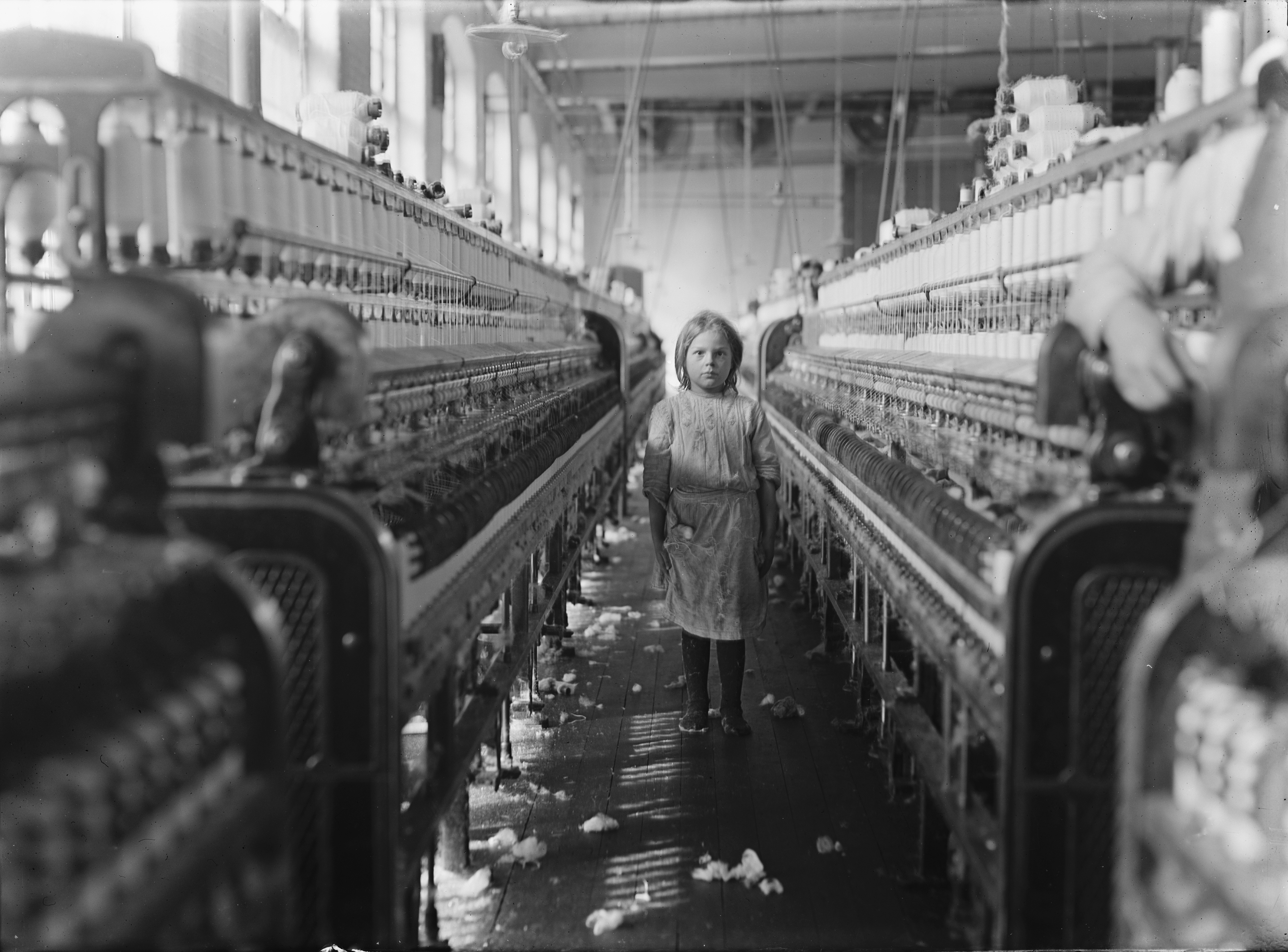
In the early 1900s, America began to realize that there was a major problem with child labor within the country. Approximately 2 million children were working in various jobs nation wide. During the social reform age, photographers were sent to working places to take pictures of the awful conditions that children were being faced with. The effects of child labor were detrimental and child labor needed to be stopped. Even famous historical figures such as Karl Marx and Charles Dickens were stuck in factories as children.

The act banned factories from hiring anyone under 14 and mines from hiring anyone under 16. Children under 16 were also not allowed to work at night or for more than 8 hours a day.

The bill was passed by Congress and signed by Woodrow Wilson but declared unconstitutional.


Tuesday, January 19, 2016

LAD #27


Clayton Anti-Trust Act:

The Clayton Anti-Trust Act was meant to target monopolies in the United States. The big business men had become way too powerful and they were controlling a majority of industry in the United States. To break up these powerful monopolies, the Anti-Trust Act stated that the best and most fair way for industry to function was through competition and competitive practices. Without competition a company can basically do whatever they want without anyone stopping them. This was a problem because small businesses did not have a chance at surviving against the powerful business men of the age. It was also a problem because during the laissez-faire age business men were paying low wages and giving their workers terrible hours and conditions while they sat in their giant offices and counted their money. With the Clayton Anti-Trust Act in place, monopolies would not longer be a major issue in American economics. 
http://lsaushistory13.wikispaces.com/file/view/mon.jpg/415421316/315x225/mon.jpg


Thursday, January 14, 2016

LAD #26

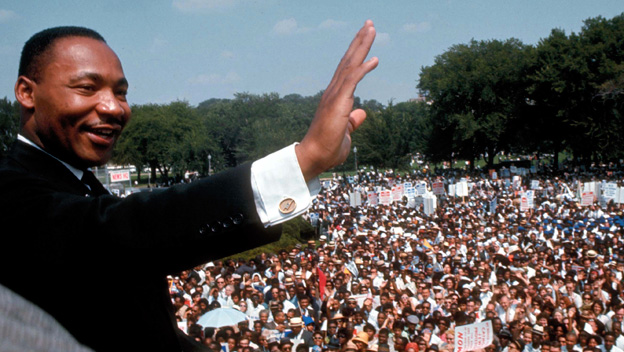
Martin Luther King's "I Have a Dream" Speech

On August 28th, 1963 Martin Luther King Jr. changed American history. His "I Have Dream Speech" which was given on that day is one of the most commonly known, recited, and referenced speeches even to this day.

King addresses the problems that America still had not fixed concerning black Americans. The problems that were supposed to be fixed after the Civil War were still clearly evident in the 1960s. The South was segregated and black Americans were not truly granted equality, even though an entire war was fought over the issue.

Martin Luther King states that after the Emancipation Proclamation was issued, black Americans thought they were finally being given an equal shot to become successful--but they were wrong. There was still injustice for years after the Proclamation. All men were supposed to receive "unalienable rights" under the Constitution but black men were still not being included.

King proclaims that he has a dream that some day whites and blacks will join forces and walk hand-in-hand towards equality. Some day society will see no difference between a black man and a white man--people are people, after all.


Saturday, January 9, 2016

LAD #24

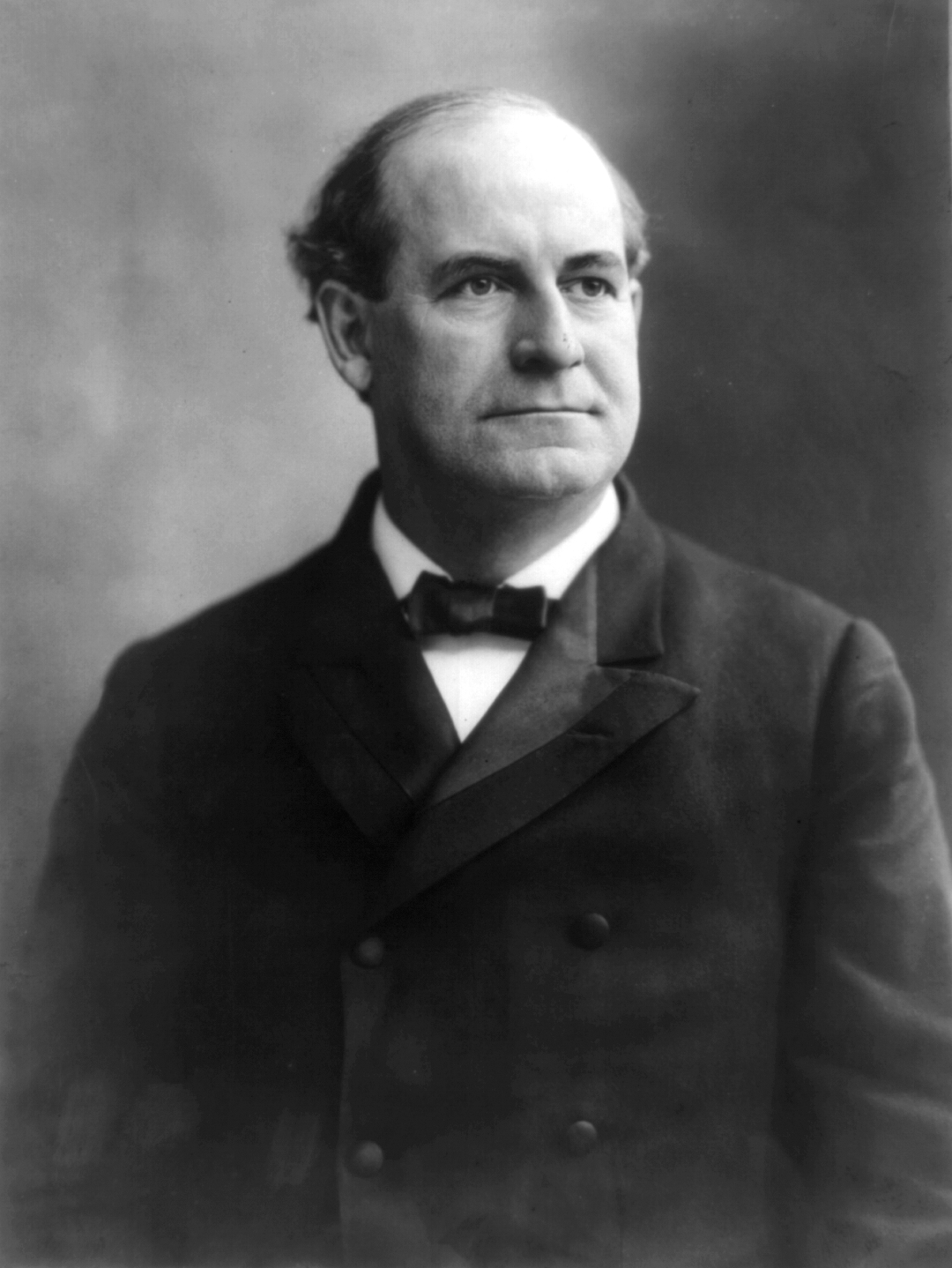
William Jennings Bryan's Cross of Gold Speech


LAD #23

The Populist Party Platform

The Populist Party emerged in response to the growth of Industrialization and the "concentrated capital" in banks and businesses in the United States. The party mostly consisted of farmers and it acted as a third party separate from the Democrats or Republicans.

Preamble: The Populist Party believed that "corruption dominates the ballot box" and that the businesses had too much control over government. The urban workers working for these powerful businesses were "denied the right to organize for self-protection" and the "imported pauperized labor was beating down their wages." Populists wanted the power to be put in the hands of the "plain people" to "end that oppression injustice."

Platform: The party believed that actions should be taken to improve the finance, transportation and land for the common people. Railroads and industries had too much power over the United States and "every dollar taken from industry without an equivalent is robbery."


Thursday, January 7, 2016

LAD #25

The Dawes Act of 1877

In 1877, Congress passed an act that allowed the president to inspect American Indian lands and divide it up to grant to certain individuals. The Indians that lived separately from the tribe would be allowed United States citizenship that was legalized through the government. This act was meant to have a "positive" impact on the Native Americans. Americans wanted to try to lift Native Americans out of poverty and tried to get them to assimilate into American white culture. This act also allowed the United States government the right to take Native American lands that they thought were "excess" and sell them for a profit. 

https://s-media-cache-ak0.pinimg.com/236x/b9/bb/34/b9bb34cab7022440b26ee3e925cb7433.jpg

LAD #22


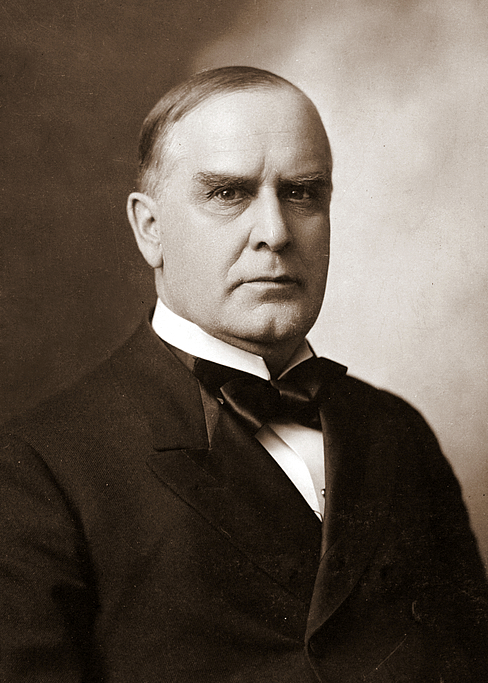
William McKinley's War Message

William McKinley, the 25th president of the United States, was reluctant to declare war against Spain, but eventually there was no other way to solve the conflict between the two powerful nations. He needed to declare war because the USA's "trade was suffering" and "capital invested by our citizens in Cuba has been largely lost." The United States had become a dominate power in the world and to maintain this reputation, war was waged with Spain. In the end, the United States government maintained some power and control over Cuban affairs and the USA annexed the formerly Spanish colonies of Puerto Rico, Philippines and Guam.