Tuesday, November 24, 2015

LAD #20

Emancipation Proclamation 
 
In year 1862 Lincoln proclaimed that all slaves in the Confederation are "forever free." They will no longer be repressed and the "Executive Government of the United States, including the military and naval authority...will recognize and maintain the freedom" of former slaves. He will try to uphold this new law by using military and naval powers to enforce it.


LAD #19

Lincoln's Second Inagural Address 
 
When Lincoln was reelected for his second term the civil war was nearing its end. He spoke about the long war that America had been pushing through for the last few years, but his speech seemed mostly sad instead of happy. He states that "one-eighth of the whole population were colored slaves" and they were "not distributed generally over the Union." Lincoln did not want to be overly cruel to the South and wanted to bring them back into the Union without too much too harsh of a punishment. He advocated for "malice towards none" and "charity for all, with firmness in the right as God gives us to see the right." He also advocated for keeping "peace among ourselves with all nations" just had Washington had stated.


Wednesday, November 18, 2015

LAD #18


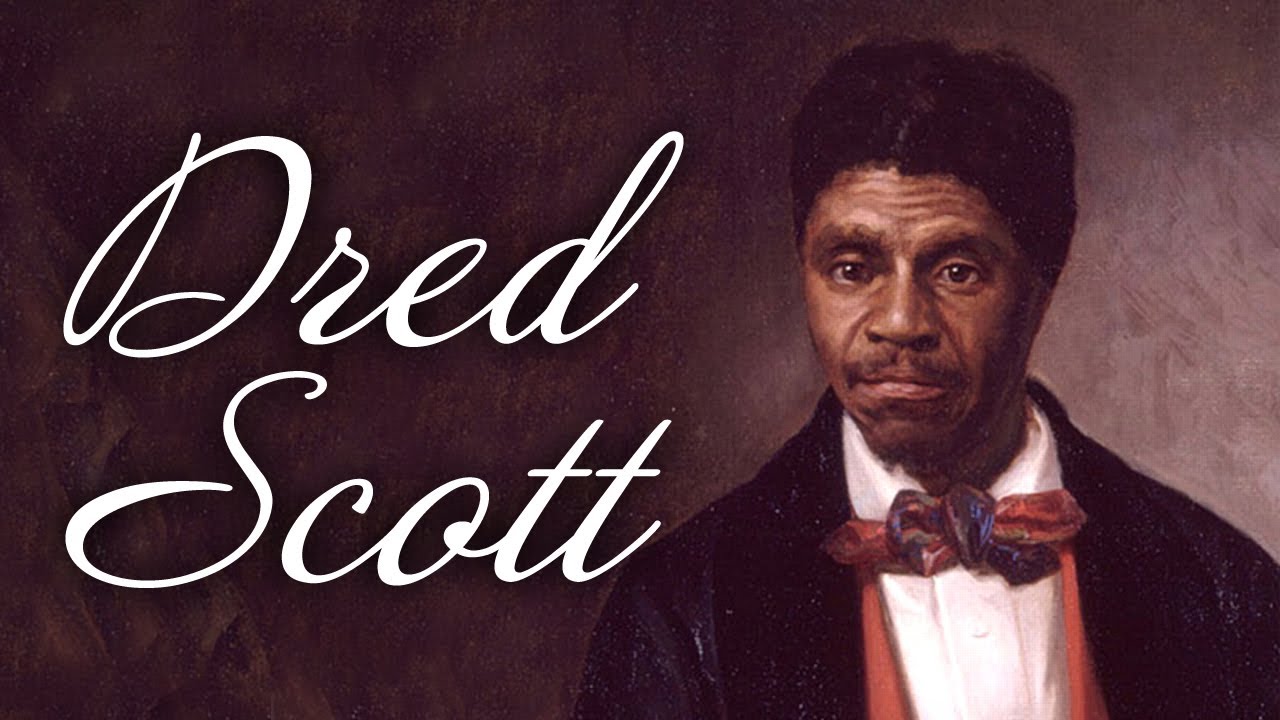
Dred Scott Case:

The Dred Scott case was the second time in American history that the Supreme Court declared an Act of Congress to be unconstitutional. When the court met at first, it seemed to favor the Sanford, rather than Scott. The case was pondered for months and lasted and was still going on during President Buchanan's inauguration. Buchanan asked the court what the decision was while he was writing his inauguration speech, and the court still did not have a final decision. Taney reasoned that Dred Scott was free "because of his stay in the free state of Illinois." Also, the Missouri Compromise was declared unconstitutional. In the end, Taney ruled that the "case be dismissed for lack of jurisdiction and sent back to lower court."


LAD #17

 
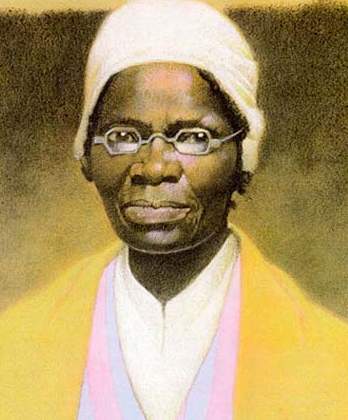
Sojourner Truth's Ain't I a Women speech:


Sojourner Truth, being a black women at this time in American history, was at the bottom of the totem pole. She was not given any rights because she was black, but was also even lower than black men because she was a women. Truth asks, "ain't I a women?" Even though she is black, shouldn't she still be treated how white women are treated? She supports women's rights by stating that men had nothing to do with the creation of Christ. He was born through God and through a woman. She ends by saying that eventually women will turn this whole system around and will be considered equal to men.


LAD #16


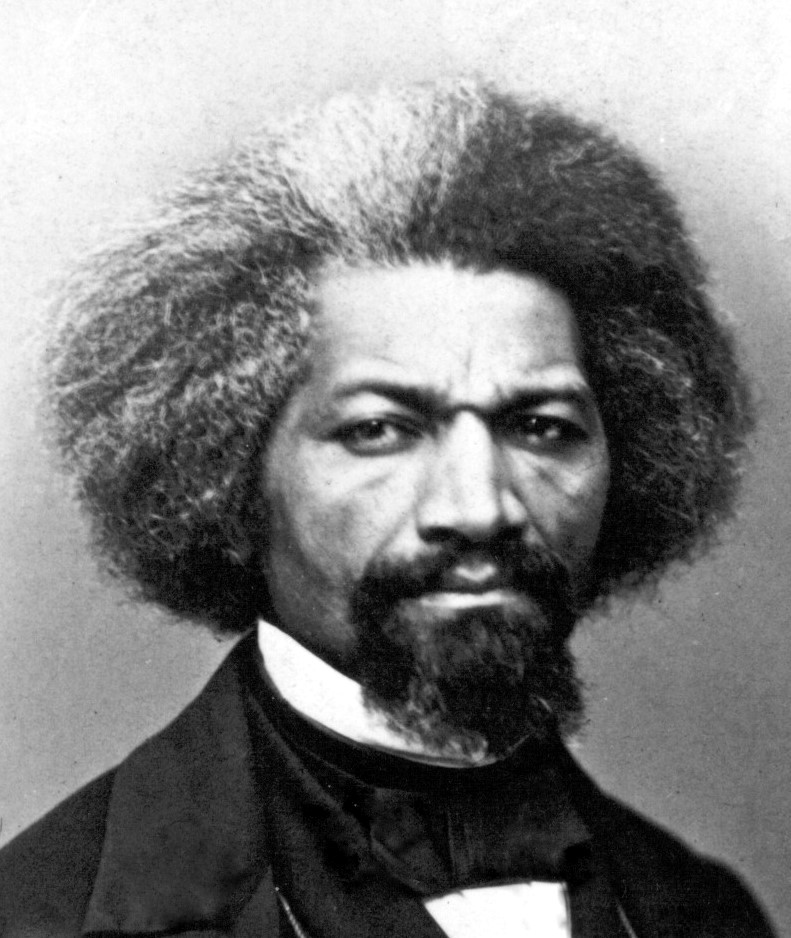
Frederick Douglass' 5th of July Speech

Douglass' speech is meant to address how the Fourth of July has a completely different meaning to a white citizen than it does to a black one. July 4th symbolizes "justice, liberty, prosperity, and independence" which the white citizens can enjoy and celebrate, while the black citizens do not get to enjoy these freedoms at all. He urges people to think about celebrating this holiday from a slaves point of view. It seems almost insulting to ask a slave or a black citizen to celebrate the Fourth of July, given that they are not granted the freedoms promised in the Constitution. He also pleads for "equal manhood of the Negro race." All citizens, no matter their race, "are men" and they deserve equal treatment regardless of their skin color.  


Tuesday, November 17, 2015

LAD #15


Lincoln's Gettysburg Address:

Lincoln states that the union of the United States was established long ago and that the civil war should not end this great union. This civil war is a result of the tensions between the north and the south that have been ignored or pushed away for so long. Men are dying on the battle field and the whole country is in chaos, but the United States will overcome this great battle of slavery and will maintain the union. The "government of the people, by the people, for the people shall not perish from the earth."


LAD #14


Lincoln's First Inaugural Address:

(opener). Lincoln clearly states in the beginning of his speech that he does not want to "interfere with the institution of slavery in the States where it exists" and that he has "no lawful right to do so." This was a very large problem at the time and was causing tension between the northern and southern states. He states many times that he will abide by the laws set in the Constitution. He also says that he believes in the rights of the states, especially in "the right of each state to order and control its own domestic institutions according to its own judgment."

Later he states that the union of the United States existed long before the Constitution was ever written and even before the Declaration of Independence was written. The Constitution was "to form a more perfect union" and he wanted to maintain peace between the states. He says that "physically speaking, we [the north and south] cannot be separate."

He ends by stating again that he believes in a peaceful union between the north and the south and wants the nation to settle its differences maturely and reasonably.


Thursday, November 12, 2015

LAD #13

John Calhoun Speech:

 After the Mexican-American War in the 1840's, the United States acquired new territories in the southwest. The Compromise of 1850 issued five different bills that attempted to solve the issue of whether or not slavery was allowed in this new territory. Soon after these were passed, Calhoun wrote a speech attacking the compromise. He predicts that "the subject of slavery would...end in disunion." Basically, he predicts the near future, because soon after this the south attempts to secede and the Civil War breaks out. He claims that eventually "the south will be forced to choose between abolition and succession." Now, Calhoun was a strong supporter of slavery and advocated for spreading it across the nation. He questions whether the north will ever agree with the south. If they do not, then disunion and agitation will be coming shortly. 


LAD #12

Polk's War Message:

During the mid 1800's there was a lot of tension between the United States and Mexico because of the American citizens residing in the territory of Texas. President Polk attempted to a maintain friendly relationship with the Mexican government and negotiate a way to maintain peace, but in the end his attempts failed. The government of Mexico "violated their plighted faith and refused the offer of a peaceful adjustment." Polk sends "efficient military force to take a position" in Texas after Mexico threatened to invade the territory. Polk then continues on and justifies his decision by listing the harmful actions that Mexico has committed against the Americans. In his eyes the war was justified because "Mexico has passed the boundary of the United States, has invaded [American] territory and shed American blood upon American soil." The "two nations are now at war." 


Wednesday, November 11, 2015

LAD #11

The Seneca Falls Declaration of Sentiments and Resolutions 

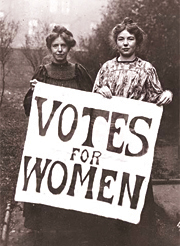
The Seneca Falls Convention was the first convention held in America that championed equal rights for men and women. The declaration said at the conventions begins by stating that all men and women are created equal. Women deserve every right that men get to enjoy and they deserve "safety and happiness." The declaration then states all the grievances that women have against men, such as the fact that men take their wife's property and wages, women are denied proper education and are cannot be admitted to college, and that women have no say in government and cannot vote for their leaders. Women make up half of the American population, yet they have no say in how the government is run, or who leads their country. How can this be considered democracy? The second part of the declaration states all the resolutions to the before-said problems. Essentially, they are the opposite of the grievances. Women deserve the opportunity to play a role in their community, and they should be considered equal to men. Women have the "same capabilities, and the same consciousness of responsibility for their exercise" as men and therefore should be treated equally.